For homeowners who rely on a private well, water quality is something that should never be taken for granted. Unlike water supplied through a public utility, private well owners are responsible for monitoring the quality of their own water.
If you are searching for well water testing Miami, understanding what should be tested, how frequently testing should be performed, and when additional testing may be appropriate can help you protect your property and household.
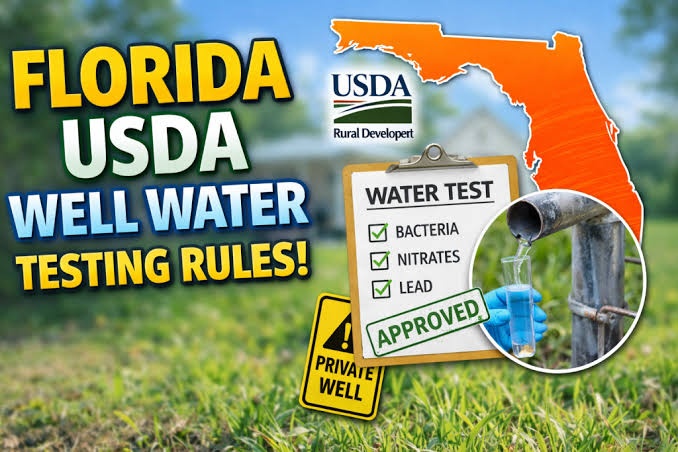
The Florida Department of Health recommends that private well owners test for bacteria and nitrate at least once a year. It also recommends using a state-certified laboratory for accurate testing.
Private wells depend on groundwater, which can be affected by conditions surrounding the property. Bacteria and nitrate can enter groundwater through sources such as poorly maintained septic systems, fertilizer applications, livestock areas, or improperly constructed wells.
Other contaminants can potentially enter groundwater from sources including leaking fuel storage tanks, pesticides, landfills, and improper disposal of hazardous materials.
This makes regular testing an important part of responsible private-well ownership.
A clear appearance or normal taste does not necessarily prove that water is free of contaminants. Laboratory testing provides information that cannot be determined simply by looking at or tasting the water.
The appropriate testing panel depends on the property, well, location, and reason for testing.
For routine private-well monitoring, Florida health officials recommend testing for coliform bacteria and nitrate at least annually. Lead is also commonly recommended, with Florida Department of Health guidance stating that most homeowners should test for lead every three years.
Additional testing may be appropriate depending on local conditions or the history of the property.
Potential testing considerations can include:
A qualified laboratory or local health department can help determine which tests are appropriate for a particular well.
For homeowners asking about well water testing Miami, one of the most important recommendations is simple: test private well water regularly.
The Florida Department of Health recommends annual testing for bacteria and nitrate. Testing may also be appropriate after certain events, including flooding, well repairs, or changes in water quality.
Homeowners should not wait until water develops an unusual taste, odor, or appearance before considering testing.
Regular testing establishes a useful record of water quality and can help identify changes that may require additional investigation.
Private well testing can be particularly valuable during a real estate transaction.
Buyers may want to understand the condition of the property's water supply before completing a purchase. Sellers may also choose to test in advance so they are aware of potential concerns before listing the property.
Florida's Department of Health states that the state does not generally require private-home well sampling simply because a home is being sold. However, the department recommends testing private wells for coliform bacteria, nitrates, and lead, with additional tests depending on the well's location, depth, and condition.
Lenders, buyers, local requirements, or transaction-specific conditions may also create additional testing expectations.
Water quality testing and a property inspection serve different purposes.
A home inspection can evaluate accessible components of a private well system, such as visible equipment, plumbing connections, pressure-related components, and other observable conditions, depending on the inspection scope.
Laboratory water testing, meanwhile, evaluates the sampled water for specific contaminants.
Combining both types of evaluation can give homeowners a more complete understanding of a private water system.
Even though testing should be performed routinely, certain changes should prompt homeowners to investigate sooner.
Pay attention to:
These signs do not automatically mean the water is contaminated. However, they are reasons to seek appropriate testing or professional evaluation.
Miami-Dade's water system relies heavily on groundwater from the Biscayne Aquifer, although public drinking water is treated and monitored before distribution. Private wells are different because the homeowner is responsible for monitoring the water coming from the individual well.
This distinction is important for homeowners who own properties outside a public water system.
Groundwater conditions can also vary based on the property's location and surrounding land use. Florida's well-surveillance programs specifically monitor potential contamination risks and investigate wells in areas associated with suspected or known contamination.
When arranging well water testing Miami, homeowners should pay attention to the laboratory performing the analysis.
Florida health guidance recommends using a state-certified laboratory.
Before collecting a sample, homeowners should also confirm:
Following proper sampling instructions is essential because poor collection or handling can affect test results.
Water testing should be part of a larger private-well maintenance plan. Homeowners should keep the well area protected, monitor visible equipment, address plumbing concerns promptly, and avoid activities that could introduce contaminants near the well.
It is also wise to keep records of previous testing, repairs, maintenance, and filtration work. A history of water-quality results can make it easier to identify changes over time.
For Miami homeowners who depend on private wells, water quality deserves regular attention. Well water testing Miami can help identify potential concerns that cannot be detected through appearance, taste, or smell alone.
Florida health officials recommend annual testing for bacteria and nitrate and advise private well owners to use state-certified laboratories. Additional testing may be appropriate depending on the property's location, well characteristics, surrounding land use, and individual circumstances.
Whether you own a home with a private well, are preparing to buy one, or are concerned about a change in water quality, regular testing combined with an appropriate well inspection can help you make informed decisions and protect your property investment.

This post has been authored and published by one of our premium contributors, who are experts in their fields. They bring high-quality, well-researched content that adds significant value to our platform.












Motor Guide provides useful automobile information, including car reviews, vehicle guides, maintenance tips, driving advice, automotive news, and helpful insights for drivers and enthusiasts.