Seasonal temperature changes can have a surprising effect on the fluids inside your car. Extreme heat and cold can alter their thickness, performance, and overall effectiveness.
Car fluids are designed to work across different temperatures, but prolonged exposure to extreme weather can still affect their condition. Regular checks help prevent avoidable mechanical problems.
During summer, higher temperatures can make certain fluids thinner and increase evaporation. Winter brings the opposite challenge, as some fluids become thicker and circulate less easily.
Understanding these seasonal effects makes vehicle maintenance easier. Drivers can recognise warning signs earlier, arrange servicing when needed, and help their cars remain reliable throughout changing weather conditions.
Engine oil plays an essential role by lubricating moving engine components and reducing friction. During hot weather, the engine operates at higher temperatures, placing additional demands on the oil.
Excessive heat can cause oil to become thinner, particularly when the engine is working hard. If the oil loses viscosity, it may provide less protection between moving components.
Long journeys, heavy traffic, towing, and frequent short trips can increase engine temperatures during summer. These conditions may accelerate oil degradation and reduce its useful service life.
Checking oil levels regularly becomes especially important during hotter months. Following the vehicle manufacturer's recommended oil grade and replacement schedule can provide better protection when temperatures rise.
Cold temperatures can make engine oil thicker, which means it takes longer to circulate around the engine after starting. This can increase friction during initial operation.
A thickened oil may make the engine feel slightly sluggish immediately after starting. Modern oils are formulated to perform across temperature ranges, but suitable viscosity remains important.
Using the wrong oil grade during winter can make cold starts harder and potentially increase component wear. Drivers should always follow the manufacturer's recommended specifications.
Allowing the engine to operate gently after starting gives the oil time to circulate properly. Avoiding aggressive acceleration immediately after a cold start can also reduce unnecessary stress.
Engine coolant helps control operating temperature by transferring excess heat away from the engine. During summer, the cooling system works harder because surrounding temperatures are already higher.
If coolant levels are low or the mixture is incorrect, the engine may struggle to maintain a safe operating temperature. This can increase the risk of overheating.
Winter creates another concern because coolant must provide protection against freezing. A properly maintained coolant mixture helps prevent frozen fluid from damaging components within the cooling system.
Coolant should therefore be checked throughout the year rather than only during hot weather. Leaks, unusual temperature readings, or repeated coolant loss deserve prompt professional attention.
Although coolant contains antifreeze, its protective ability depends on having the correct concentration. If the mixture becomes too diluted, freezing protection can be significantly reduced.
Frozen coolant can expand inside the cooling system, potentially damaging components such as hoses, radiators, or other parts. This makes winter coolant checks particularly important.
Older coolant can also lose some of its protective properties over time. Following the manufacturer's replacement recommendations helps maintain corrosion protection and effective temperature control.
Drivers should never rely purely on appearance when checking coolant condition. A professional inspection can assess concentration, contamination, and overall cooling system health more accurately.
Brake fluid operates within a demanding environment because braking generates significant heat. High summer temperatures can increase the overall thermal load placed on the braking system.
Brake fluid is hygroscopic, meaning it can absorb moisture from the surrounding environment over time. Moisture can lower its boiling point and reduce braking performance under demanding conditions.
Cold weather does not usually create the same boiling concerns, but moisture and contamination remain important. Water within the fluid can also contribute to corrosion inside braking components.
Brake fluid should therefore be replaced according to the manufacturer's recommended interval. If the brake pedal feels unusual, professional inspection should be arranged without unnecessary delay.
Transmission fluid lubricates and protects components while helping automatic transmissions operate smoothly. Temperature changes can influence its viscosity, affecting how effectively the fluid moves through internal passages.
During very hot conditions, transmission fluid can become thinner and may degrade faster if temperatures remain excessive. Overheated fluid can lose some of its protective characteristics.
Cold weather can make transmission fluid thicker, sometimes causing slower gear engagement after starting. This effect is generally temporary as the transmission reaches its normal operating temperature.
Regular transmission maintenance helps manage these seasonal challenges. Checking fluid condition, levels, and manufacturer specified replacement intervals can support smoother operation and reduce unnecessary transmission wear.
Where a vehicle uses hydraulic power steering, the steering fluid helps transfer hydraulic pressure through the system. Temperature changes can influence its viscosity and how smoothly steering assistance operates.
Cold weather may make the fluid thicker, particularly immediately after starting. Drivers might notice heavier steering until the fluid warms and circulates more effectively through the system.
Hot temperatures can reduce fluid viscosity and increase the demands placed on steering components. Leaks or low fluid levels can become more noticeable when the system operates under pressure.
Drivers should pay attention to whining noises, steering changes, or visible leaks. These symptoms can indicate a fluid or component problem that deserves professional investigation.
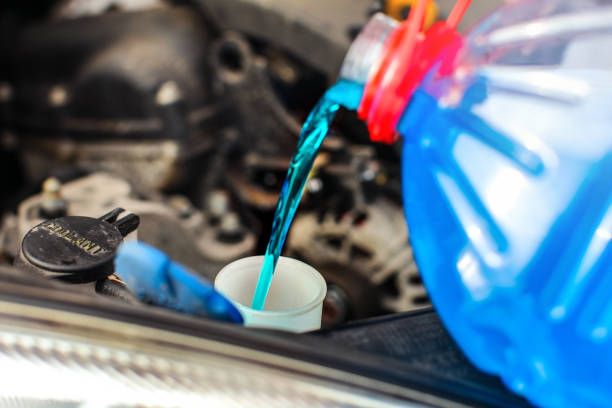
Windscreen washer fluid is often overlooked, yet its formulation matters during different seasons. Summer washer fluid may not provide sufficient freezing protection when winter temperatures become particularly low.
Using a winter appropriate washer fluid helps prevent freezing inside the reservoir, pipes, and spray nozzles. This ensures drivers can maintain clear visibility when roads become wet or dirty.
During warmer months, washer fluid can evaporate more quickly, particularly if the vehicle is regularly parked outside. Checking the reservoir periodically prevents unexpected shortages during journeys.
Keeping the windscreen clean is an important part of safe driving. Good quality washer fluid, functioning wipers, and sufficient fluid levels all contribute to better visibility throughout changing weather.
Temperature changes often occur alongside changes in humidity, which can influence certain vehicle fluids. Moisture contamination is particularly relevant to brake fluid because it naturally absorbs water over time.
Moisture can also contribute to corrosion within components when protective fluid properties deteriorate. This is one reason manufacturers provide recommended service intervals for several vehicle fluids.
Vehicles regularly exposed to damp conditions may benefit from more frequent visual inspections. Checking for leaks, contamination, unusual fluid colours, and damaged reservoirs can identify potential problems.
Seasonal maintenance is therefore about more than simply preparing for hot or cold temperatures. Moisture, rainfall, condensation, and storage conditions can all influence long term vehicle reliability.
Drivers can often identify developing fluid problems by noticing changes in vehicle behaviour. Warning signs may include unusual smells, overheating, difficult starting, unusual steering, or poor gear changes.
Visible leaks underneath the vehicle should never be ignored. Different fluids can have different colours and textures, but identifying the source accurately may require professional inspection.
Dashboard warning lights can provide another important clue. Although warning lights do not always identify a specific fluid problem, they should be investigated rather than repeatedly ignored.
Unusual fluid levels or rapid fluid loss also deserve attention. Topping up may provide temporary assistance, but repeated losses could indicate a leak requiring proper repair.
Checking fluid levels regularly is one of the simplest ways to protect a vehicle. It takes little time and can reveal leaks, low levels, or developing problems.
Always use fluids that meet the vehicle manufacturer's specifications. Different engines, transmissions, braking systems, and cooling systems can require specific formulations and viscosity ratings.
It is useful to schedule vehicle maintenance before extreme seasons arrive. Checking coolant before winter and engine oil before demanding summer journeys can provide additional peace of mind.
Keeping maintenance records also makes seasonal care easier. Recording fluid changes, inspections, and repairs helps drivers understand when important maintenance tasks are due.
Car fluids are essential to reliable vehicle operation, and their performance can change as temperatures move from one season to another. Neglecting them can create unnecessary mechanical risks.
Extreme heat may accelerate fluid breakdown, while cold temperatures can increase viscosity and make circulation more difficult. Both conditions can place additional demands on vehicle components.
Regular inspections help identify issues before they become expensive repairs. Simple checks can reveal low fluid levels, contamination, leaks, or other warning signs requiring attention.
Good fluid maintenance does not need to be complicated. Following the manufacturer's guidance, checking levels periodically, and responding quickly to warning signs can keep a vehicle dependable year round.

This post has been authored and published by one of our premium contributors, who are experts in their fields. They bring high-quality, well-researched content that adds significant value to our platform.











Motor Guide provides useful automobile information, including car reviews, vehicle guides, maintenance tips, driving advice, automotive news, and helpful insights for drivers and enthusiasts.