Car vibrations can feel confusing because a vehicle may drive smoothly at one speed and suddenly start shaking at another. This usually means a rotating component has developed an imbalance.
The vibration may appear around a particular speed because wheels, tyres, driveshafts, and other moving components rotate at different rates as your speed changes. Certain speeds can amplify existing problems.
A mild vibration does not always indicate an immediate breakdown, but it should not be ignored either. Small issues can gradually become more expensive if worn components continue operating.
Understanding when the vibration happens is useful. Vibrations during acceleration, braking, cornering, or cruising can point towards completely different mechanical or tyre related problems.
One of the most common reasons cars vibrate at certain speeds is an imbalance in the wheel and tyre assembly. Even a small weight difference can create noticeable shaking.
When a wheel rotates quickly, that imbalance produces a repeating force. At lower speeds, you might barely notice it, while higher speeds can make the vibration much more obvious.
Wheel balancing normally involves adding small weights to compensate for uneven weight distribution. If balancing is incorrect, the vehicle may develop steering wheel or body vibrations during motorway driving.
Tyres can also contribute if they have uneven wear, flat spots, bulges, or internal damage. Regular inspections can help identify these problems before they become serious safety concerns.
Incorrect wheel alignment can affect how your tyres contact the road. Although alignment problems do not always create direct speed related vibrations, they can contribute to unstable or uneven driving behaviour.
A vehicle with poor alignment may pull towards one side, wear tyres unevenly, or feel less predictable through bends. These symptoms can sometimes accompany noticeable vibrations at particular speeds.
Kerbs, potholes, and rough roads can knock alignment settings out of specification. Even when damage is not immediately visible, suspension geometry may change enough to affect handling.
If your car has recently struck a pothole and then developed vibrations, having the wheels and suspension checked is sensible. Early attention may prevent accelerated tyre wear.
Tyres are the only parts of your car continuously touching the road, so their condition has a major influence on smoothness. Damaged or poorly maintained tyres can create unpleasant vibrations.
Uneven tread wear can develop from incorrect pressures, alignment issues, worn suspension components, or regular driving on poor road surfaces. The resulting tyre shape may produce rhythmic movement.
A tyre with an internal structural problem can also cause vibration even when its tread appears reasonably normal. This is one reason visual checks alone cannot always identify problems.
Drivers should regularly check tyre pressures, tread condition, and visible damage. If a tyre develops a lump, crack, or unusual deformation, professional assessment should happen promptly.
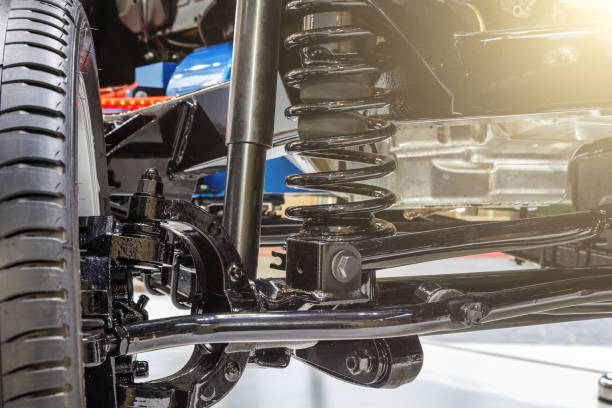
Suspension components help keep tyres firmly connected to the road while controlling movement through corners and over uneven surfaces. Worn parts can therefore affect both comfort and stability.
Components such as bushes, ball joints, dampers, and wheel bearings gradually deteriorate through normal use. Their condition can worsen faster when vehicles regularly encounter potholes or rough surfaces.
A worn suspension part may allow excessive movement, creating vibrations that become more noticeable at certain speeds. You may also notice knocking sounds, uneven tyre wear, or loose steering.
Suspension related vibration should not be dismissed as simply an old car becoming less comfortable. Some worn components can affect handling and braking, making proper inspection particularly important.
Cars with front wheel drive, rear wheel drive, or four wheel drive systems can experience vibrations caused by drivetrain components. These problems may become especially noticeable while accelerating.
A worn driveshaft, damaged constant velocity joint, or deteriorating universal joint can create vibration as rotational speed increases. The sensation may change when you release the accelerator.
Drivetrain vibrations can sometimes feel different from wheel imbalance. Instead of being strongest through the steering wheel, they may travel through the floor, seats, or entire vehicle.
If vibration becomes stronger specifically during acceleration, the drivetrain deserves attention. Continuing to drive with a seriously damaged component can potentially lead to additional mechanical problems.
Brake problems usually become noticeable when slowing down rather than maintaining a constant speed. A common symptom is vibration through the steering wheel when braking from higher speeds.
Brake discs can develop uneven surfaces or thickness variations. When the brake pads clamp against these areas, the resulting changes in braking force can produce a pulsing sensation.
Excessive brake heat, heavy braking, poor quality components, or prolonged vehicle storage can contribute to brake disc problems. Other braking components can also affect how smoothly the vehicle stops.
Because braking is fundamental to vehicle safety, persistent vibration while braking deserves prompt attention. A qualified technician can inspect the discs, pads, callipers, and related components.
Wheel bearings allow the wheels to rotate smoothly while supporting the vehicle's weight. As bearings wear, they can create humming, rumbling, or vibration that increases with road speed.
Unlike a simple wheel balance problem, bearing related noise may change when you steer slightly left or right. This change can provide a useful clue during diagnosis.
Other rotating components can also produce vibration when they become damaged, distorted, or unbalanced. The exact symptoms depend on the vehicle's design and which component has developed the problem.
Because several mechanical faults can feel similar from the driver's seat, accurate diagnosis matters. Guessing the cause and replacing unrelated parts can become unnecessarily expensive.
A vibration appearing at one particular speed does not necessarily mean the problem only exists at that speed. Instead, the rotating frequency may match a natural frequency within the vehicle.
This can create a resonance effect, making a relatively small imbalance feel much stronger within a specific speed range. Once the vehicle travels faster or slower, the sensation may reduce.
The principle is similar to pushing a swing at exactly the right moment. A small repeated force can create a much larger movement when timing and frequency work together.
This explains why a vehicle might feel completely normal at 40 mph but vibrate noticeably around 60 mph. The underlying mechanical issue may still be present outside that range.
Paying attention to exactly when vibration occurs can provide valuable information. Note the speed, whether you are accelerating, braking, steering, or simply maintaining a steady pace.
Also consider where you feel the vibration. Steering wheel shaking may suggest a front wheel or tyre issue, while vibrations through the seat can indicate other areas.
Listen for accompanying noises such as humming, clicking, knocking, or grinding. Changes in noise during cornering or acceleration can provide additional clues about the affected component.
Keeping track of when symptoms appear can make professional diagnosis easier. Instead of simply reporting that the car shakes, describe the conditions that consistently trigger the vibration.
Occasional mild vibration does not always mean an emergency, but persistent or worsening symptoms deserve attention. Ignoring a developing fault can allow wear to spread to other components.
Seek professional advice quickly if vibration is accompanied by steering looseness, unusual noises, tyre damage, braking problems, or significant changes in handling.
A technician can inspect tyres, wheels, suspension, brakes, bearings, and drivetrain components before deciding what needs repair. Proper diagnosis is usually more effective than replacing parts randomly.
Ultimately, vibrations are your car giving you useful information. Identifying the conditions that trigger them can help you understand the problem and deal with it before it becomes more costly.

This post has been authored and published by one of our premium contributors, who are experts in their fields. They bring high-quality, well-researched content that adds significant value to our platform.












Motor Guide provides useful automobile information, including car reviews, vehicle guides, maintenance tips, driving advice, automotive news, and helpful insights for drivers and enthusiasts.