Short journeys may seem harmless, especially when driving to the shops, school, office or nearby station. However, repeated short trips can gradually create conditions that make an engine work harder.
The main issue is that an engine needs time to reach its normal operating temperature. During a very short journey, the engine may switch off before reaching that temperature properly.
When this happens regularly, moisture, fuel residue and other contaminants may remain inside the engine and exhaust system. Over months or years, these small effects can contribute to wear.
This does not mean every short journey will damage your car. Modern engines are designed for everyday driving, but frequent short trips combined with poor maintenance can accelerate certain problems.
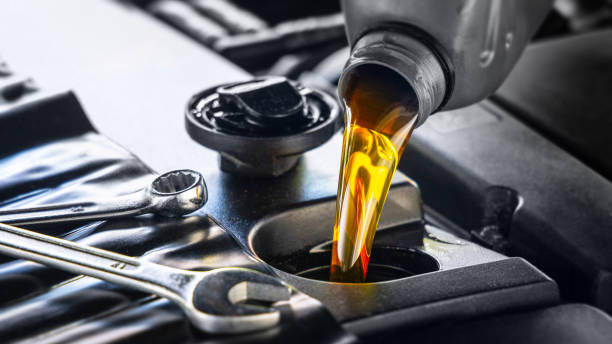
Engine oil plays an important role in reducing friction between moving components. However, repeated short journeys can prevent the oil from reaching and maintaining its ideal operating temperature.
When an engine stays relatively cool, condensation can accumulate inside the crankcase. Small amounts of moisture may mix with the oil, reducing its effectiveness over extended periods.
Fuel can also enter the engine oil during cold starts because engines generally require richer mixtures before reaching operating temperature. Repeated journeys can therefore increase oil contamination gradually.
Regular servicing becomes particularly important for drivers who mainly make short trips. Following the manufacturer's oil-change recommendations can help maintain lubrication and reduce unnecessary internal engine wear.
Every engine experiences greater stress immediately after starting because the oil has not yet circulated fully throughout the engine. Short journeys often involve repeated starts without allowing enough warm-up time.
Cold oil is generally thicker than warm oil, meaning it may take longer to move around critical components. This can temporarily increase friction between parts until operating temperature is reached.
If your daily routine involves several short journeys, the engine may experience many more cold starts than someone completing longer drives. Over time, this pattern can contribute to wear.
Drivers cannot always avoid starting a cold engine. However, combining several nearby errands into one journey can reduce repeated starts and give the engine more opportunity to warm properly.
Fuel consumption can be noticeably higher during shorter journeys because engines often use more fuel while warming up. Frequent cold starts can therefore make everyday driving less economical.
Modern engines use sophisticated systems to control fuel delivery, but they still need to reach operating temperature before achieving their most efficient performance.
If most of your journeys last only a few minutes, you may notice that your vehicle consumes more fuel than expected, particularly during colder weather.
Combining short errands, avoiding unnecessary idling and keeping tyres correctly inflated can improve overall efficiency. Smooth acceleration and sensible driving habits can also help reduce unnecessary fuel consumption.
Short journeys can affect more than the engine itself. Your vehicle's battery also needs sufficient time to recover the electrical energy used during starting.
Starting an engine requires considerable electrical power, particularly during cold weather. A very short drive may not provide enough time for the alternator to replace that energy fully.
Repeatedly operating this way can gradually weaken the battery, especially if it is already several years old or the vehicle has additional electrical equipment running.
If your car regularly makes short journeys, paying attention to slow starting, dimming lights or dashboard warnings can help identify a battery problem before the vehicle refuses to start.
The exhaust system can suffer from repeated short journeys because it may not become hot enough to evaporate accumulated moisture. Persistent moisture can contribute to corrosion over time.
Vehicles equipped with catalytic converters also depend on sufficient heat for emissions systems to work effectively. Very short journeys may not provide ideal conditions for these components.
Diesel vehicles can have additional concerns because some models use diesel particulate filters, commonly known as DPFs. These systems require suitable driving conditions to complete regeneration.
If a vehicle's handbook recommends occasional longer journeys for maintaining emissions equipment, following that guidance can help prevent avoidable problems and reduce the likelihood of expensive repairs.
A longer journey gives the engine enough time to reach its normal operating temperature and maintain it. This allows oil, coolant and emissions systems to operate under more stable conditions.
Once fully warmed, moisture and certain contaminants can evaporate more effectively from areas where they may otherwise accumulate during repeated short journeys.
Longer drives can also provide suitable conditions for some vehicles to complete emissions-system processes that may not happen during brief urban journeys.
This does not mean you need to take unnecessary long drives every day. Instead, an occasional longer journey can complement regular maintenance when your normal driving pattern consists mostly of short trips.
The easiest solution is not necessarily avoiding short trips completely. Instead, consider combining several nearby journeys whenever practical, reducing the number of cold starts during the week.
Regular servicing is equally important. Check the manufacturer's recommendations for engine oil, filters, spark plugs, coolant and other maintenance items, particularly if your driving pattern is demanding.
Pay attention to warning lights, unusual noises, changes in fuel economy, rough starting or unusual exhaust behaviour. Early attention can prevent relatively minor problems from becoming expensive repairs.
Ultimately, short journeys are a normal part of modern driving. With sensible maintenance, occasional longer journeys and attention to warning signs, most drivers can minimise their potential long-term effects.
Car maintenance is not only about mileage. How a vehicle is driven can also influence how quickly certain components experience wear, making driving patterns worth considering during servicing.
Someone who drives hundreds of miles regularly may have very different maintenance needs from another driver covering fewer miles through repeated five-minute journeys.
If most of your driving involves short urban trips, tell your mechanic or servicing professional. They can consider your usage when discussing maintenance intervals and potential areas of concern.
Understanding your driving pattern helps you make better maintenance decisions. A little extra attention today can potentially prevent inconvenience, poor reliability and costly mechanical problems later.

This post has been authored and published by one of our premium contributors, who are experts in their fields. They bring high-quality, well-researched content that adds significant value to our platform.












Motor Guide provides useful automobile information, including car reviews, vehicle guides, maintenance tips, driving advice, automotive news, and helpful insights for drivers and enthusiasts.